Pack the plan before the bag
For a first trip, make three lists: the exact medicine and instructions, the supplies needed to use it as prescribed, and the ordinary food/water conveniences that make the journey manageable. Add the whole door-to-door timeline and destination storage before selecting a case.
A short overnight trip and a flight with connections create different practical problems. The checklist below keeps medicine stability, security screening and convenience separate so that one reassuring label on a bag does not stand in for all three.
Before departure
| Task | What to have ready |
|---|---|
| Medicine identification | Exact name, route/presentation, prescription information and current instructions. |
| Storage plan | Unopened/in-use requirements, required packaging and confirmed destination storage. |
| Packing fit | Measured required packages and usable case space with accessories installed. |
| Supplies | Only the items needed for your prescribed routine, plus an appropriate disposal plan. |
| Delay plan | A contact and instructions for uncertainty, extended travel or disrupted storage. |
| Destination rules | Official medicine-import requirements for the place you are entering. |
Check this list while there is still time to ask the pharmacy a question or request usable case dimensions. Do not leave an unfamiliar device or package-specific storage question for a departure queue.
For a short road or overnight trip
Keep the medicine in packaging required by its instructions and choose a position in your bag that supports the storage plan. Count the hours from departure to the point where destination storage is actually available, not just the driving time.
Put routine supplies in one labeled place so they are easy to find. A small organizer can reduce searching, but it does not supply cooling. If cooling is needed, follow the exact accessory instructions and the medicine’s requirements rather than assuming a generic insulated pouch is enough.
For ordinary convenience, pack a familiar food option you can realistically use and a bottle you can fill when appropriate. If carrying a powder packet, note its mixing volume; the available bottle should hold the directed amount with room to mix.
For a flight
Keep medicine information and associated medical accessories accessible for screening. TSA’s US guidance says medically necessary liquids in reasonable larger quantities are exempt from the ordinary 3-1-1 restriction when declared and inspected. Cooling accessories used for medical purposes may be frozen, partly frozen or melted and are screened.
Check the medicine’s temperature requirements and destination import permissions separately. Use the official sources for each question.
Build waiting, connections and ground transport into the timeline. If a destination offers “a fridge,” clarify what access and storage arrangement that actually means. The case cannot solve a missing arrival plan by itself.
A compact packing arrangement
A useful short-trip layout can have one section for the medicine in required packaging, one for its prescribed-use supplies, and one for printed/contact information. Keep ordinary snacks and drink packets separate from items requiring controlled storage or inspection.
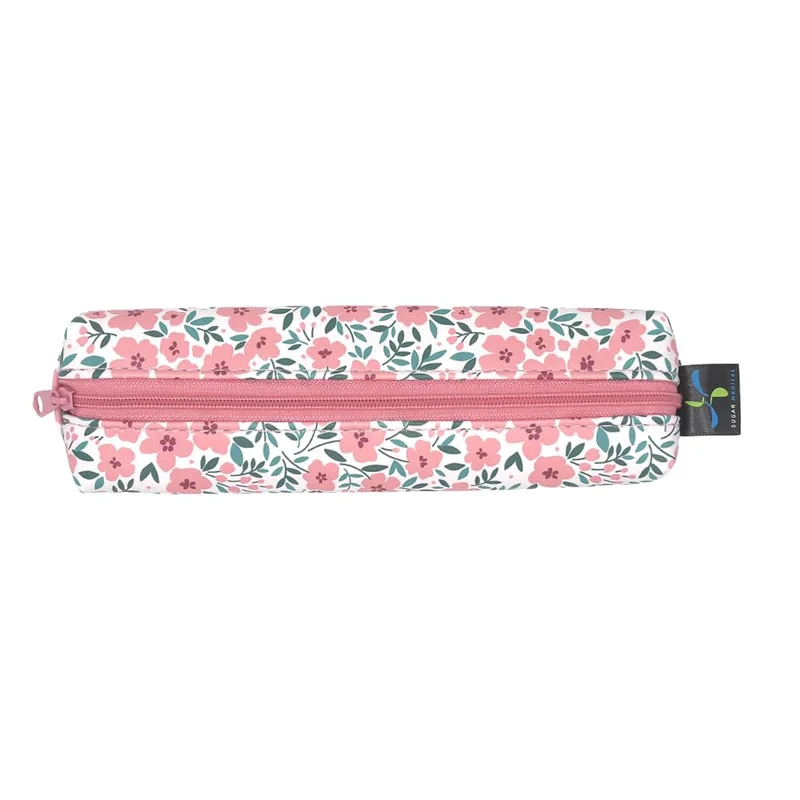
An organization example, not a universal cooling or fit solution. Compare the exact package with usable space.
Before returning home, repeat the same check: what package status applies now, what storage instructions remain relevant and how long is the return journey? Do not assume the outbound plan automatically covers an opened or in-use presentation.
Should I copy a room-temperature allowance from a travel blog?
Use the current label for your exact product and presentation. Different devices can have different rules even under a familiar brand name.
What should I save on my phone?
The actual instructions, prescription/contact information and official travel-rule links. Keep a way to access essential information if connectivity is poor.
Read next
Sources and method
- Zepbound prescribing information, August 2026 — section 16.2 storage and presentation-specific Instructions for Use.
- TSA: disabilities and medical conditions, Medications — US checkpoint screening, read directly in the source audit; not case certification or destination import law.
- Sugar Medical MedMate pen case — manufacturer describes a two-pen non-insulated zippered pouch; patterns vary.
Sources checked October 29, 2026.
Prepared by GLP Finds with AI-assisted writing and checked against the listed sources. Our editorial process.